
Trump revokes pivotal EPA climate ruling, weakening US emissions framework
The administration of Donald Trump has moved to dismantle a central pillar of U.S. climate policy, with the Environmental Protection Agency (EPA) rescinding the landmark 2009 “endangerment finding.” The decision removes the scientific and legal basis for regulating greenhouse gas emissions and has sparked strong legal and political opposition.
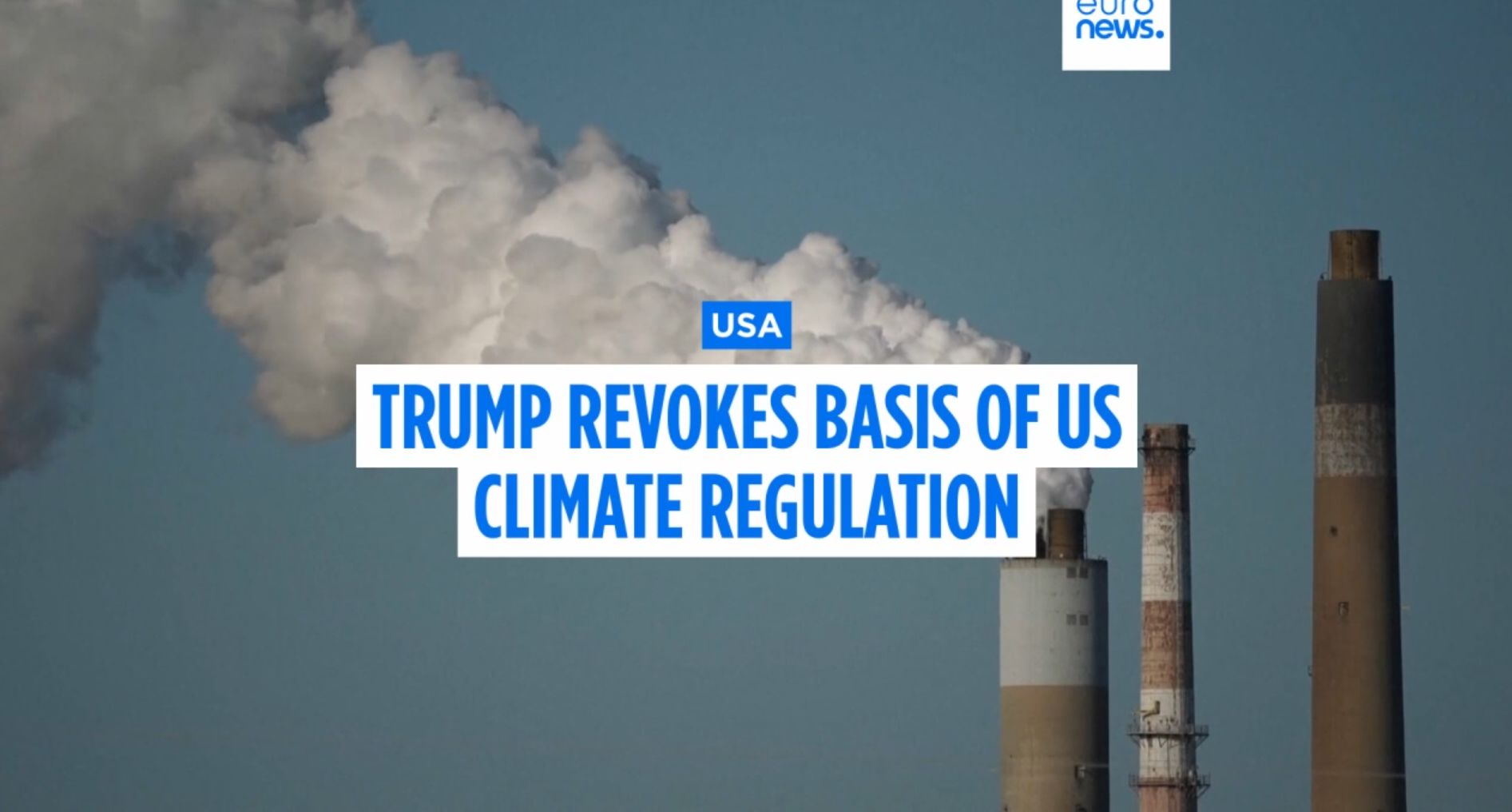
Originally introduced during the presidency of Barack Obama, the finding concluded that carbon dioxide and other greenhouse gases pose a threat to public health and welfare. It has since underpinned the majority of federal climate regulations under the Clean Air Act, including limits on emissions from vehicles, power plants, and industrial sources. Legal challenges to the repeal are widely expected.
Experts say the move effectively eliminates federal greenhouse gas standards for cars and trucks and could lead to a broader rollback of emissions rules affecting power generation and oil and gas operations. Trump described the decision as “the single largest deregulatory action in American history,” while EPA Administrator Lee Zeldin argued that the original finding represented excessive federal intervention.
Trump also rejected the scientific basis of the measure, calling it “one of the greatest scams in history,” despite the broad consensus among scientists that greenhouse gas emissions are driving increasingly severe climate impacts, including extreme heat, storms, rising sea levels, and prolonged droughts.
The EPA further indicated it plans to introduce a two-year delay to a regulation enacted under Joe Biden that restricts emissions from passenger vehicles. Zeldin has criticized previous Democratic administrations, accusing them of imposing economically damaging policies in their efforts to combat climate change.
Environmental groups condemned the repeal, describing it as a significant setback for federal climate authority. Fred Krupp of the Environmental Defense Fund warned that increased emissions would likely result in higher costs for American households and worsen impacts on public health, property values, and water resources.
The legal foundation for regulating greenhouse gases dates back to a 2007 ruling by the US Supreme Court, which determined that such emissions qualify as pollutants under the Clean Air Act. Courts have consistently upheld the EPA’s authority based on the endangerment finding, which has been central to addressing risks such as floods, wildfires, and heatwaves.
Critics, including former EPA Administrator Gina McCarthy, described the move as reckless, arguing it prioritizes fossil fuel interests over environmental protection. Obama also criticized the decision, warning it could leave Americans more vulnerable to health and environmental threats while benefiting the fossil fuel industry.
Health experts raised further concerns. Dr Lisa Patel said weakening emissions controls could lead to increased respiratory illnesses, premature births, and other serious health conditions, particularly among children. Meanwhile, David Doniger of the Natural Resources Defense Council described the repeal as a decisive effort to dismantle most existing climate protections, warning it could hinder future administrations from effectively addressing global warming.
The EPA’s action follows an executive order issued by Trump directing the agency to reassess the legal basis and continued relevance of the endangerment finding. Supporters of the move, including conservative lawmakers, argue that existing climate regulations are overly restrictive and economically burdensome, while opponents warn that the rollback could undermine decades of environmental progress and have lasting consequences.