
Trump’s Climate Treaty Exit Seen as Strategic Mistake With Limited Global Impact
The decision by Donald Trump to withdraw the United States from key global climate agreements has been widely criticised by experts, who argue it will have limited impact internationally but significant consequences domestically.
The move includes exiting the United Nations Framework Convention on Climate Change (UNFCCC) and distancing the country from the Intergovernmental Panel on Climate Change, the world’s leading climate science authority. While politically significant, analysts say it does not change the underlying scientific reality of rising temperatures, sea levels, and increasing extreme weather events.
Climate experts stress that global warming trends and the risks of reaching dangerous tipping points will continue regardless of US policy shifts. In fact, many countries are expected to press ahead with climate action independently, as they have done in previous periods of US disengagement.
According to UN climate chief Simon Stiell, the decision could backfire on the United States itself. He described it as a “colossal own goal,” warning that Americans may face rising costs for energy, food, transport, and insurance as climate-related disasters intensify and renewable energy becomes increasingly cheaper than fossil fuels.
Globally, the transition to a low-carbon economy is gaining strong momentum. Investment in clean energy technologies has surged, now significantly exceeding spending on fossil fuels. Renewable energy expansion, electric vehicle adoption, and green technology exports—particularly from countries like China—are reshaping the global economic landscape.
Experts argue that this shift is driven more by economic opportunity than political agreements. As clean technologies become more competitive, countries are pursuing energy independence and long-term growth through low-carbon strategies.
However, Trump’s decision may still create uncertainty for investors and slow progress in some areas. Economists warn that while the global transition will continue, reduced US participation could delay collective efforts and weaken international coordination.
There are also legal uncertainties surrounding the withdrawal. Since the US originally ratified the UNFCCC through the Senate, some experts question whether a president can fully exit the agreement without legislative approval.
Despite these debates, the broader global trend appears unchanged. Climate action is increasingly being driven by market forces, technological innovation, and international cooperation beyond any single nation’s policies.
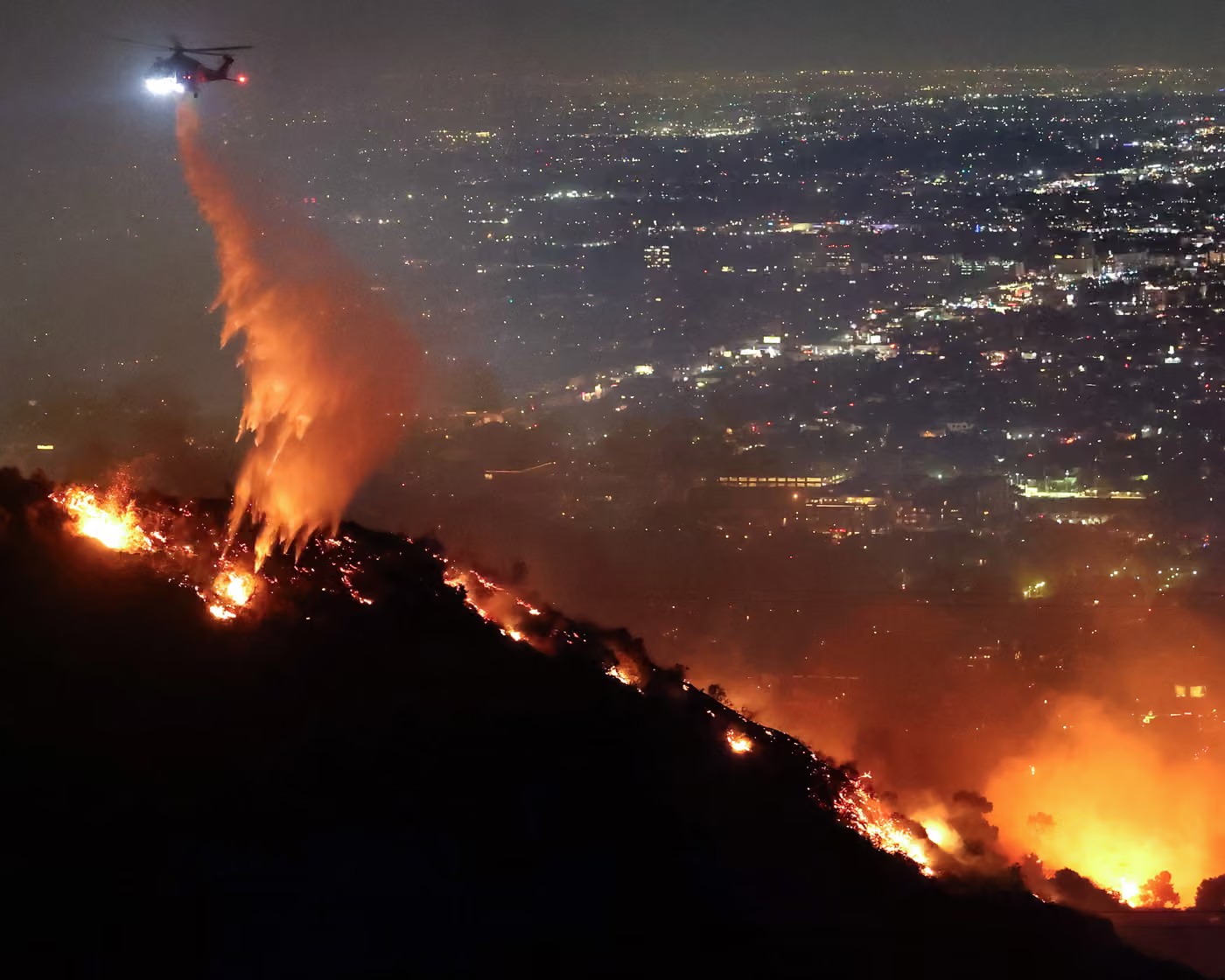
Meanwhile, the impacts of climate change continue to intensify within the United States itself. From large-scale wildfires and agricultural disruptions to rising insurance costs and coastal threats, experts warn that the country remains highly vulnerable to the very risks it is stepping back from addressing.