
Trump’s Fossil Fuel Policies Set Back Climate Progress
Former US President Donald Trump has been widely criticised for policies that prioritise fossil fuels over renewable energy, with experts warning these actions could reverse decades of environmental progress.
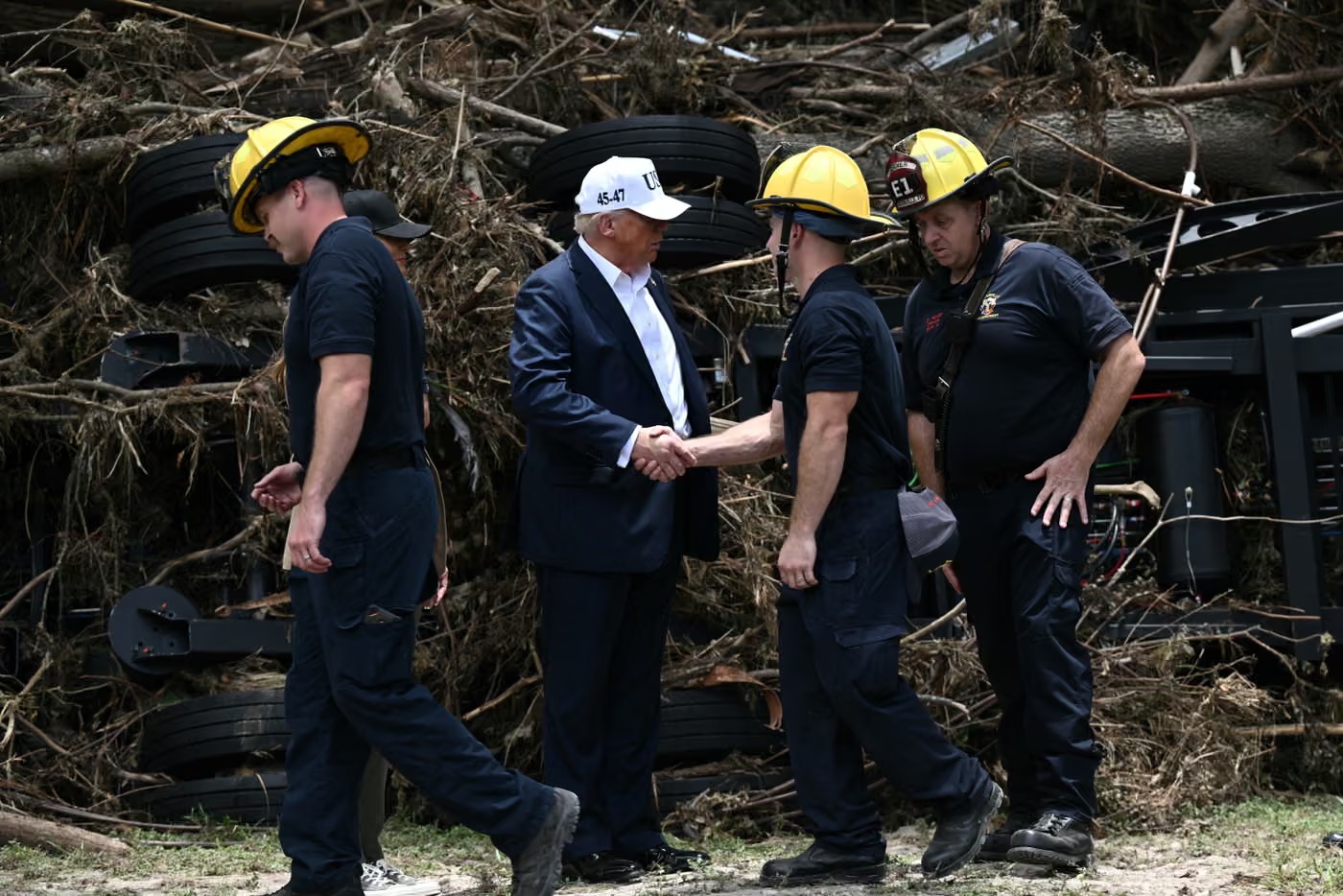
Since returning to office, Trump has promoted oil, gas and coal expansion by declaring a national “energy emergency,” a move critics say is unjustified given current energy production levels.
At the same time, his administration has reduced support for clean energy. New policies have cut tax incentives for wind and solar projects and weakened previous climate legislation designed to accelerate the transition to renewable energy.
Scientists and environmental experts argue that these decisions come despite overwhelming evidence that fossil fuel use is the main driver of climate change. They warn that prioritising these energy sources will worsen extreme weather events, including floods, wildfires and heatwaves.
The administration has also been accused of undermining scientific research. Proposed budget cuts include closing multiple laboratories run by the National Oceanic and Atmospheric Administration and reducing funding for climate studies.
In addition, hundreds of scientists and experts working on climate-related reports have reportedly been dismissed or reassigned, raising concerns about the long-term impact on environmental research and public health.
Critics argue that weakening scientific institutions and limiting climate research could reduce the ability to predict and respond to extreme weather events, ultimately putting lives and economies at risk.
Environmental groups and legal experts have challenged these policies, claiming they ignore scientific consensus and prioritise short-term economic interests over long-term sustainability.
Despite the backlash, the administration continues to defend its approach, arguing that expanding domestic energy production is essential for economic growth. However, many researchers warn that the long-term environmental and social costs could far outweigh any short-term benefits.