
Trump’s sweeping environmental rollback raises questions over lack of resistance
As the administration of Donald Trump moves to dismantle key environmental protections, critics say the response from political leaders, institutions, and even parts of the climate movement has been unexpectedly muted.
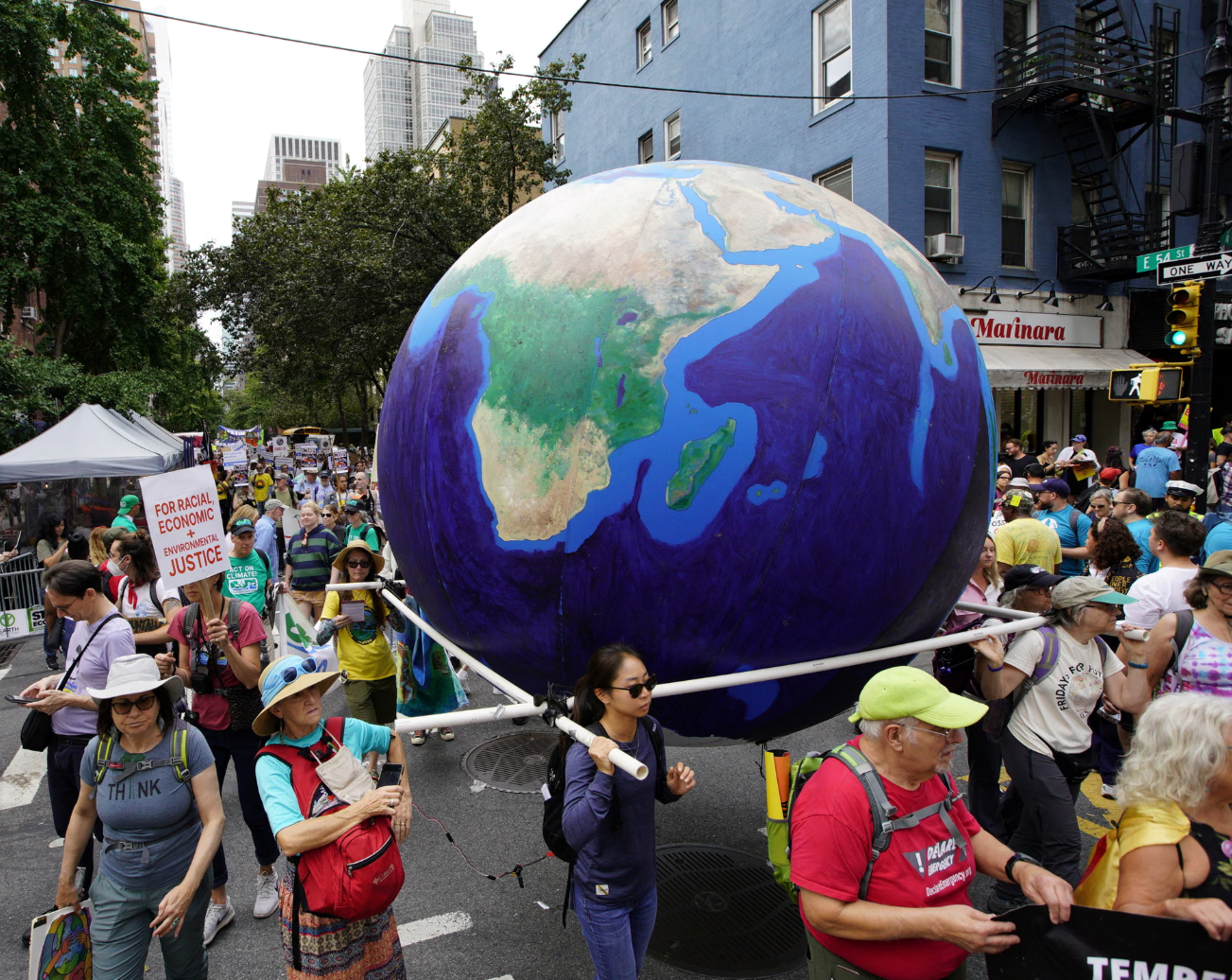
Climate sceptics have openly welcomed the shift, describing what they see as a “quiet” acceptance of sweeping pro–fossil fuel policies. Marc Morano, a prominent climate denial figure, said the scale of policy rollback is unprecedented in his experience, claiming long-standing environmental safeguards are being rapidly undone.
The comments were made at an event organised by the Heartland Institute, a group known for promoting climate scepticism and contributing to policy frameworks aligned with Trump’s agenda.
Observers note that even high-profile political figures have been relatively restrained in their public messaging. Mark Carney, who previously held a global climate finance role at the United Nations, made only limited references to climate issues during recent international discussions.
Despite this perceived silence among leaders, public support for climate action remains strong. Surveys suggest that a large majority of people worldwide back efforts to address global warming, though many underestimate how widely this concern is shared.
Experts warn that this disconnect has contributed to what some describe as “climate hushing,” where the issue receives less public attention despite its growing urgency. Katherine Hayhoe has emphasized the importance of open discussion, arguing that sustained dialogue is essential to counter misinformation and political inaction.
Some analysts believe the climate movement in the United States is at a turning point. Calls are growing for a rethinking of strategy to better respond to shifting political dynamics and renewed opposition to environmental regulation.
Others remain more optimistic. Environmentalist Bill McKibben argues that, despite political setbacks, the global transition toward clean energy continues to accelerate. He points to increasing investment and policy changes worldwide, even if they are not always framed explicitly as climate action.
Still, experts caution that progress may not be happening quickly enough to meet climate targets. While renewable energy expansion is advancing, ongoing resistance and delays—particularly from fossil fuel interests—continue to slow the pace of change.
Overall, the situation reflects a complex landscape: strong public support and technological progress on one side, and political resistance and reduced visibility of the issue on the other, raising questions about how effectively climate action can be sustained in the years ahead.