
UN Climate Chief Warns Inaction Will Lead to Global Crisis
At the opening of the COP30 climate summit, the UN’s top climate official issued a stark warning: governments that fail to act on climate change will face severe economic and social consequences.
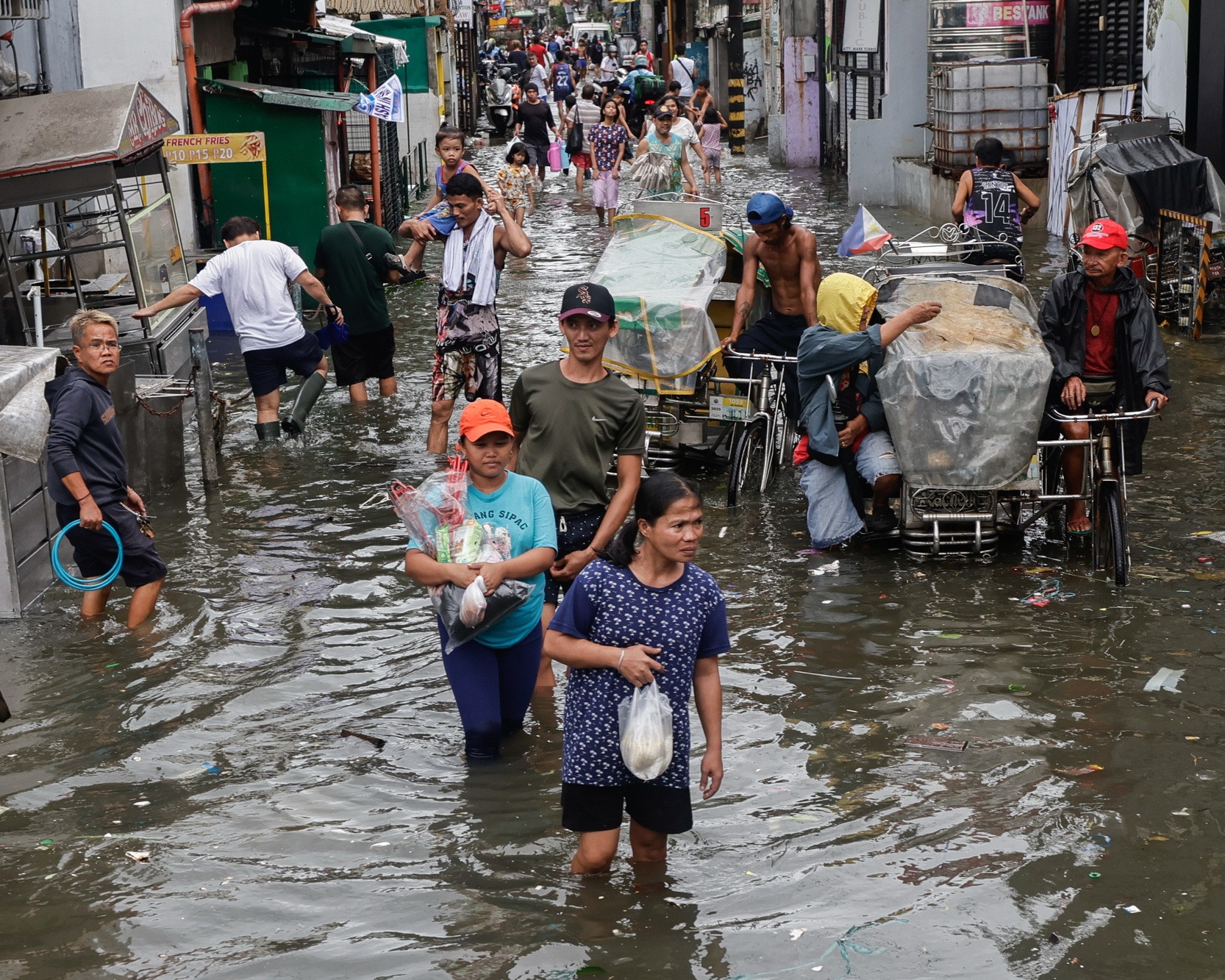
Simon Stiell, head of the UN climate framework, told leaders from nearly 200 countries that inaction would fuel famine, conflict, and economic instability. He warned that climate disasters are already damaging economies, reducing GDP and driving up food prices through droughts and crop failures.
Stiell stressed that no country is immune. He argued that failing to transition to a low-carbon economy will not only harm vulnerable nations but also lead to stagnation, inflation, and rising costs in wealthier countries.
The COP30 summit, held in Brazil, is focused on accelerating emissions reductions, transitioning away from fossil fuels, and securing financial support for developing countries facing the worst impacts of climate change.
Despite global commitments under the Paris Agreement to limit warming to 1.5°C, current national plans are far from sufficient and could result in around 2.5°C of warming. Scientists warn that exceeding these limits increases the risk of irreversible climate tipping points.
Stiell emphasized that solutions already exist, including rapid deployment of low-carbon technologies and cuts to potent greenhouse gases like methane. He insisted that even if temperatures temporarily exceed 1.5°C, it is still possible to bring them back down with decisive action.
Negotiations at the summit are expected to be challenging, with disagreements over climate finance, emissions targets, and the pace of phasing out fossil fuels. Developing countries are demanding stronger commitments and clearer funding plans from wealthier nations.
World leaders also face pressure to deliver concrete roadmaps for reducing emissions and supporting vulnerable populations, as existing pledges have been widely criticised as inadequate.
Stiell concluded with a warning that history will judge today’s decisions, stating that failure to act despite clear scientific evidence and available solutions would have lasting consequences for future generations.