
Underwater and in denial: Is Europe overlooking the climate crisis?
Even as extreme weather intensifies across Europe, experts warn that political resistance to environmental protections is growing—raising concerns that the continent is failing to fully confront the scale of the climate crisis.
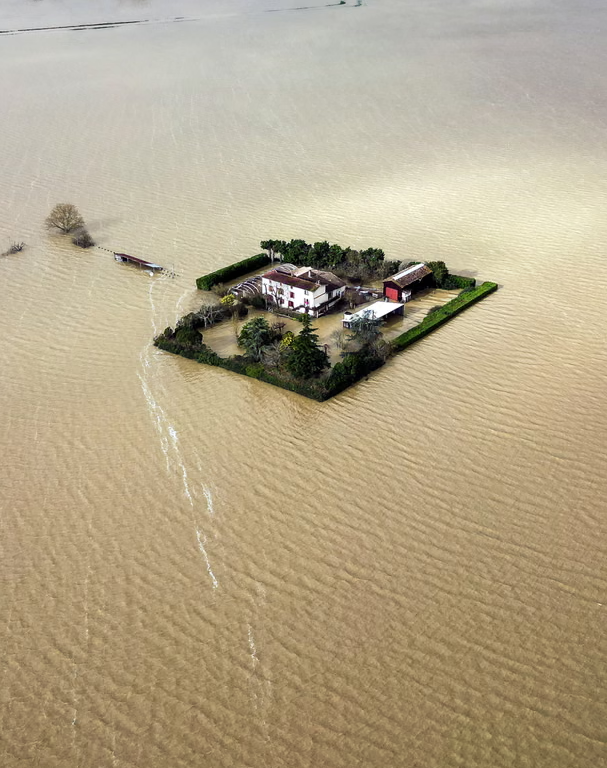
The human cost of these changes is becoming increasingly visible. In southern Spain, two lifelong friends, Francisco Zea Bravo and Antonio Morales Serrano, lost their lives after torrential rains turned a normally calm river near Málaga into a violent flood. Their deaths are part of a broader pattern of climate-driven disasters affecting communities across the region.
Western Europe has faced a succession of severe storms, floods, and record rainfall in recent months. Spain and Portugal have reported multiple fatalities, while France has seen unprecedented soil saturation and widespread flood alerts. The United Kingdom has also experienced unusually persistent rainfall, reflecting what scientists describe as a shifting climate pattern—wetter winters and increasingly dry, fire-prone summers.
Meteorologists attribute the extreme conditions to changes in atmospheric circulation, including a southward shift in the jet stream. Combined with rising global temperatures, which allow the atmosphere to hold more moisture, these changes are amplifying rainfall intensity and increasing flood risks.
Despite mounting evidence, some political and economic actors are pushing to scale back environmental regulations. Donald Trump has intensified criticism of climate policies, promoting expanded fossil fuel production and withdrawing from international agreements such as the Paris Agreement. His administration has also urged European policymakers to ease methane and sustainability standards.
Within Europe, climate skepticism is taking a more subtle form. While public support for climate action remains strong, far-right political movements have gained influence, often opposing environmental policies. At the same time, some centrist governments have begun softening green regulations under pressure from industry, raising concerns among scientists and environmental advocates.
The frequency and intensity of storms further illustrate the trend. Southern Europe has experienced an unusually high number of named storm systems within a single season, with heavy rainfall repeatedly hitting already saturated ground. This has significantly increased the likelihood of flooding, as soils have little capacity to absorb additional water.
Scientists argue that authorities are underestimating these risks. Christophe Cassou of French National Centre for Scientific Research said recent flooding in France falls within predicted climate scenarios, making the lack of preparedness particularly concerning.
In Spain, a devastating flood in Valencia in October 2024, which killed more than 200 people, highlighted the consequences of delayed warnings and inadequate planning. Research indicates that climate change increased the intensity and reach of the rainfall that caused the disaster.
Similar patterns have been observed elsewhere in Europe. In Germany’s Ahr Valley, severe flooding in 2021 led to over 100 deaths, with investigations pointing to failures in early warning systems. These events have prompted the European Scientific Advisory Board on Climate Change to warn that Europe’s adaptation efforts remain insufficient and often come too late.
Current projections suggest global temperatures could rise by 2.8–3.3°C by the end of the century—well above the targets set under international agreements. Scientists stress that even incremental increases in warming significantly raise the likelihood of extreme weather events.
Experts emphasize that while the risks are escalating, there is still an opportunity to mitigate the worst outcomes through stronger policies and better preparedness. However, they caution that delays in action—combined with growing political resistance—could leave societies increasingly vulnerable to the impacts of a rapidly changing climate.
For communities already affected, the consequences are deeply personal. Losses extend beyond infrastructure and economic damage, reshaping daily life and leaving lasting emotional and social impacts. As one local educator in Spain reflected after losing a colleague to flooding, the region now faces an uncertain future—moving from winter floods to the looming threat of summer wildfires.