
Unexpected Winter Wildflower Blooms Raise Alarm Over Climate Disruption
An unusual surge in wildflower blooms during winter is raising serious concerns among scientists, who see it as a clear indicator of intensifying climate extremes.
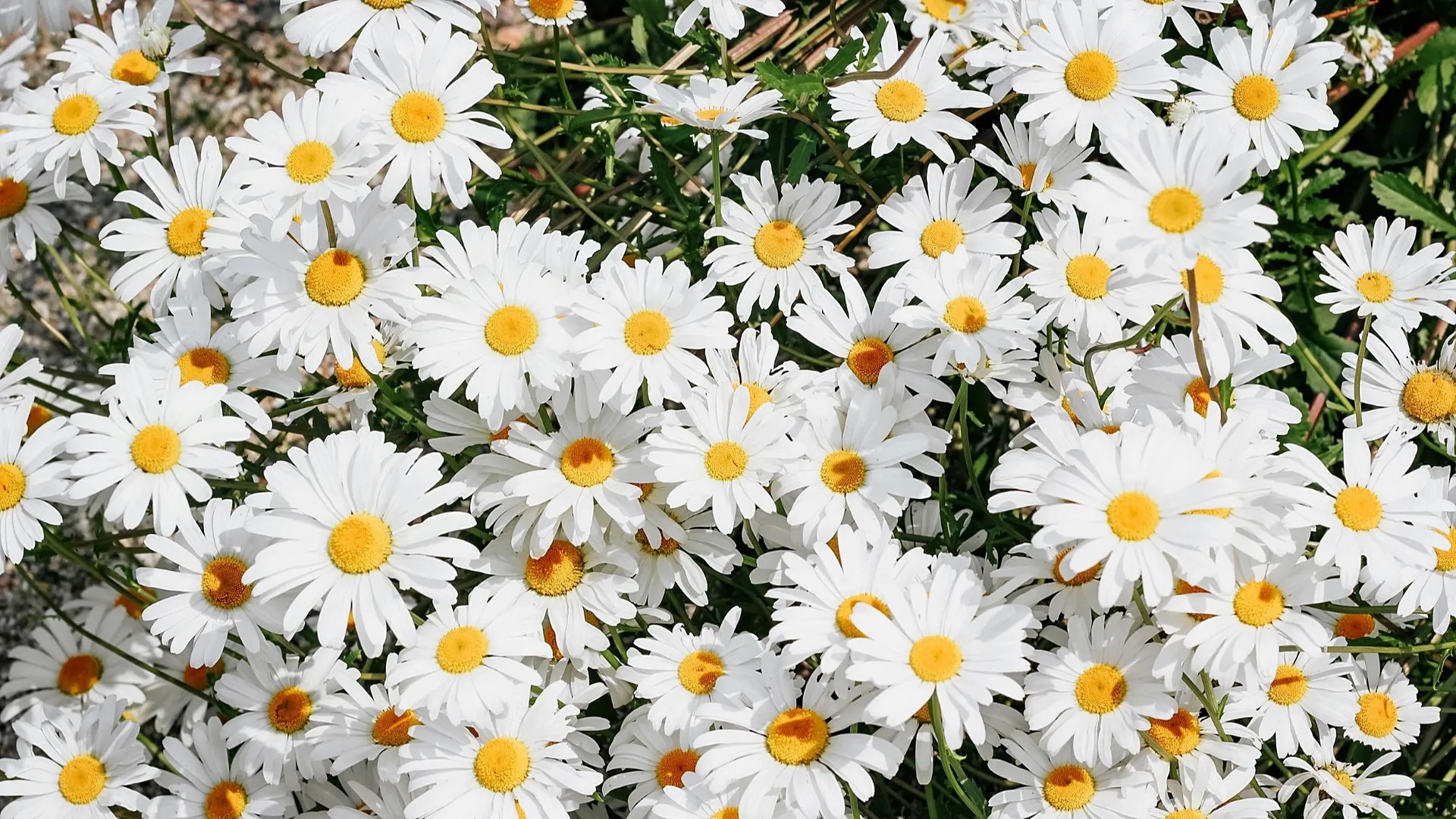
Typically, flowers like daisies and dandelions bloom in spring when temperatures rise and frost disappears. However, this winter, hundreds of wildflower species have blossomed far earlier than expected, signaling a major disruption in natural seasonal cycles.
This shift is largely driven by global warming, with temperatures now averaging around 1.4°C above pre-industrial levels. Following extreme weather conditions in 2025, experts warn that plant behavior is becoming a visible and measurable sign of climate change.
Data collected by the Botanical Society of Britain and Ireland through its annual New Year Plant Hunt revealed an unprecedented 310 plant species in bloom this January—far above the typical figure of around 10 species.
Common plants such as daisies, dandelions, and groundsel were observed, alongside non-native species like Mexican Fleabane and Red Dead-nettle. Researchers found that even a 1°C increase in temperature during late autumn can result in approximately 2.5 additional species flowering at the start of the year.
Experts emphasize that this phenomenon is not just unusual—it is a clear warning sign. According to Kevin Walker of BSBI, these changes are visible evidence of how climate change is already affecting ecosystems at a local level.
Climate scientist Debbie Hemming adds that rising temperatures and extreme weather are fundamentally altering the natural timing of plant life cycles, providing tangible proof of environmental disruption.
According to the Copernicus Climate Change Service, 2025 is set to rank among the hottest years ever recorded, reinforcing concerns about long-term ecological impacts.
Beyond the UK, similar patterns are emerging across Europe. Research suggests that while warmer temperatures may trigger earlier blooms in some regions, insufficient winter cold could delay or even prevent flowering altogether.
In Mediterranean and North African regions, crops like almonds, apples, and pistachios could face delayed or failed blooms, while Central Europe may see premature flowering in fruit trees such as pears and cherries—posing risks to agriculture and food production.