
Weather, climate change, and human activity increasingly degrade hiking trails
Extreme weather events and rising global temperatures are increasingly threatening the safety and sustainability of hiking trails, while growing visitor numbers are putting additional pressure on fragile natural environments.
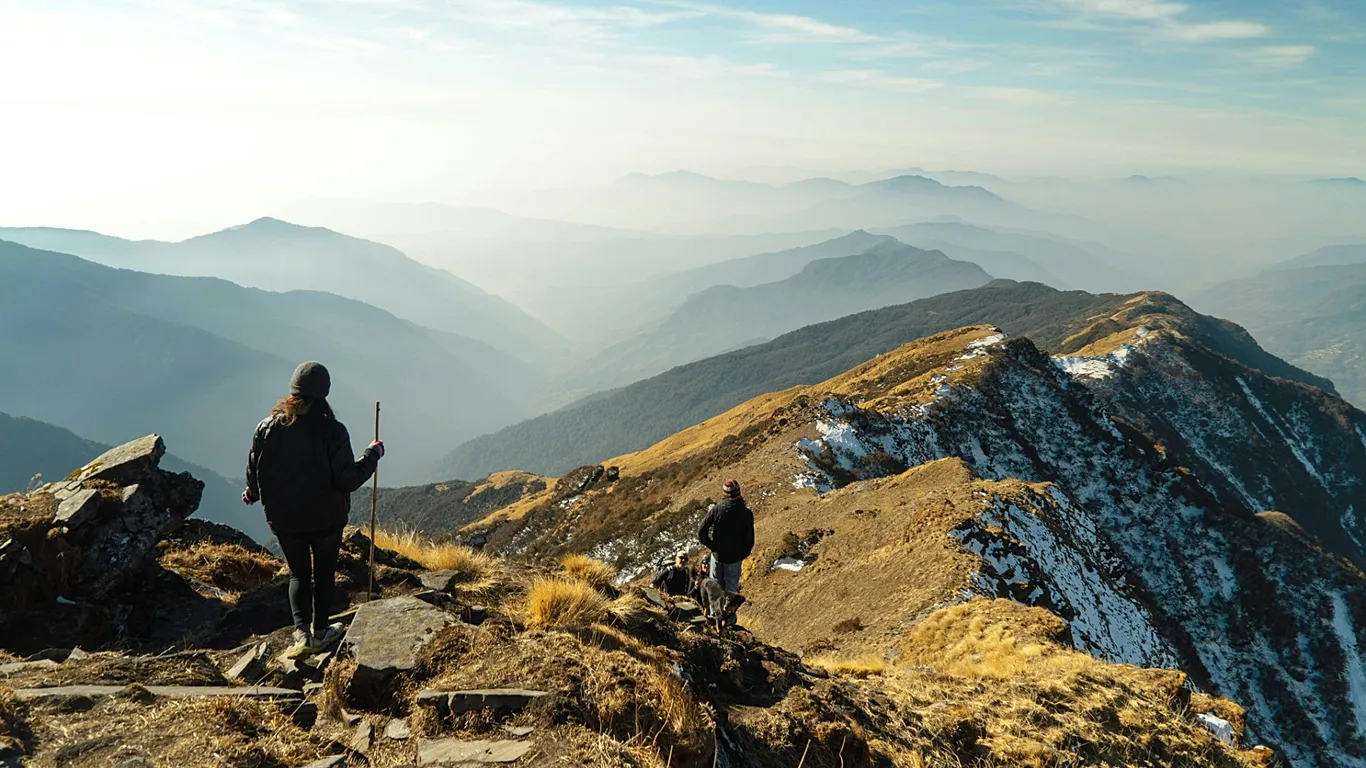
In recent years, hiking routes have surged in popularity as travelers seek slower, more immersive experiences and relief from intense summer heat. This boom has led to the development and restoration of numerous trails, including major projects in countries such as Portugal and Italy. However, the rapid growth in demand has revealed mounting environmental and safety challenges.
Climate-related hazards are becoming more frequent across popular hiking regions. In Europe, several alpine routes were temporarily closed last summer following dangerous rockfalls. In northern Italy’s Brenta Dolomites, hundreds of hikers had to be evacuated from the slopes of Cima Falkner amid increased landslide activity. Experts linked these incidents to thawing permafrost, a direct consequence of rising temperatures.
Piero Carlesi, head of the scientific committee of the Italian Alpine Club, noted an unprecedented surge in rockfalls, attributing the trend primarily to the climate crisis. Similar concerns have emerged in Switzerland, where more than 70 hiking routes remained closed well into autumn due to heightened safety risks.
According to Swiss trail officials, shifting climate patterns—including drier summers, more intense rainfall, hotter days, and reduced snowfall—are contributing to unstable terrain. Prolonged heavy rain increases the likelihood of landslides and debris flows, while warming temperatures in high-altitude areas accelerate permafrost thaw, further raising the risk of rockfalls.
Beyond climate impacts, the growing popularity of hiking is also straining ecosystems. Increased foot traffic can erode trails, damage vegetation, and disrupt wildlife habitats. In response, authorities in several regions have begun limiting access, raising entry fees, or temporarily closing routes to protect both visitors and the environment.
In Indonesia, officials at Mount Rinjani National Park announced a temporary closure of all hiking routes until the end of March 2026. Authorities cited safety concerns linked to the rainy season, which brings slippery paths, reduced visibility due to dense fog, and swollen waterways.
Together, these developments highlight how the combined effects of climate change and human activity are reshaping outdoor recreation, forcing policymakers and conservationists to rethink how hiking destinations are managed and preserved.