
Whales adapt to a warming world with new feeding habits, behaviors, and social strategies
Whales adapt to a warming world with new feeding habits, behaviors, and social strategies
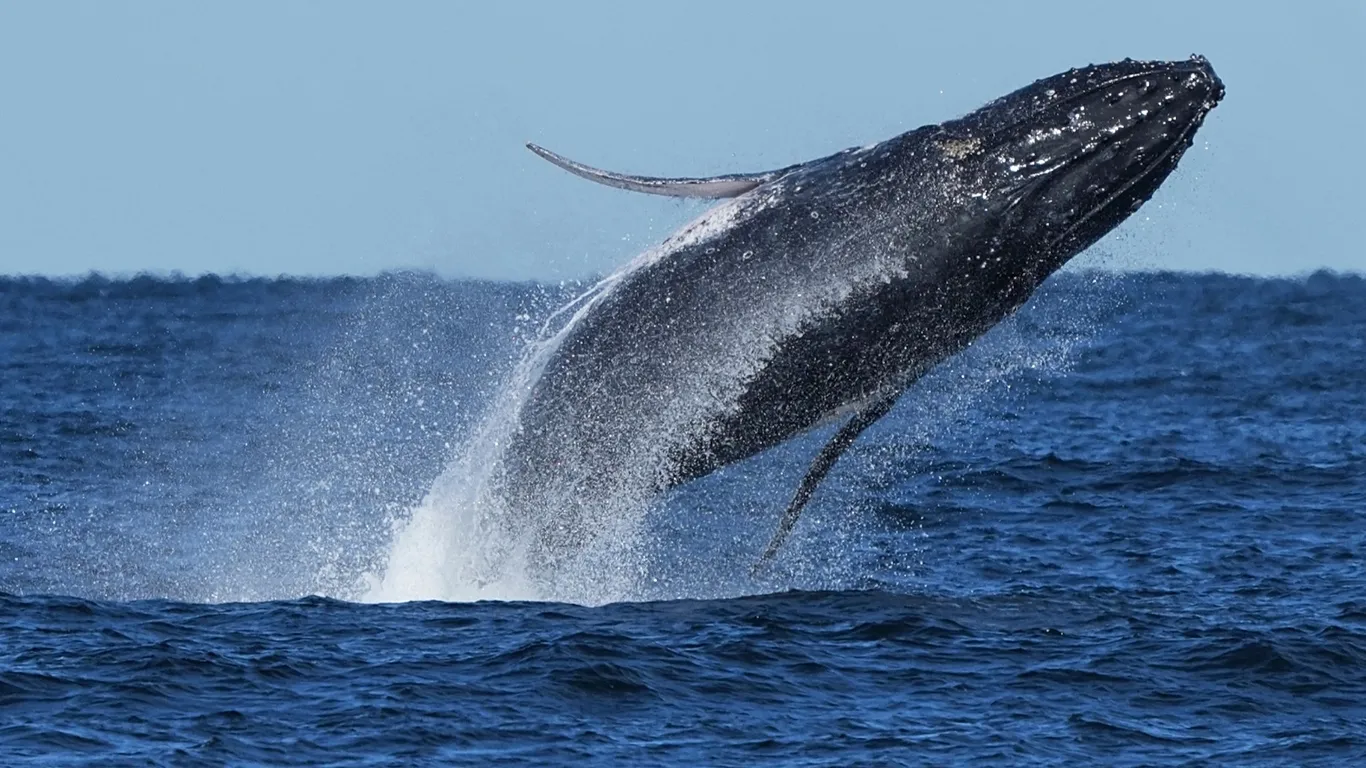
Scientists studying whale populations in the North Atlantic have uncovered how these marine giants are adjusting to rapid environmental changes, revealing new feeding patterns, cooperative behaviors, and strategies that help them survive in a warming ocean.
A long-term study, published in Frontiers in Marine Science, analyzed nearly three decades of data to examine how climate change is reshaping whale ecology in the Gulf of St. Lawrence—an important seasonal feeding ground. Rising ocean temperatures, melting ice, and increased human activity have led to significant shifts in marine ecosystems, directly affecting food availability for whales.
Researchers focused on three rorqual species—fin, humpback, and minke whales—and found evidence of increasing “resource partitioning,” a process in which species divide food sources and habitats to reduce competition. In practical terms, whales are adapting by becoming more efficient at sharing limited resources.
To understand these changes, scientists collected and analyzed more than 1,000 skin samples between 1992 and 2019. The samples revealed how the whales’ diets evolved over three distinct periods marked by environmental shifts. The findings suggest that while traditional prey such as Arctic krill may be declining, whales are adapting by diversifying their diets.
Lead researcher Charlotte Tessier-Larivière explained that highly mobile species like baleen whales can adjust by changing feeding locations, timing, or prey selection. Over time, all three species showed a gradual shift toward fish-based diets. Fin whales, for example, transitioned from feeding primarily on krill in the 1990s to consuming species like capelin, herring, and mackerel in the 2000s, before shifting again toward sand lance and northern krill in the following decade.
Minke whales, which initially relied heavily on pelagic fish, began incorporating more krill into their diets, while humpback whales consistently depended on a narrower range of fish species, including capelin and herring. Scientists believe these dietary adjustments reflect broader changes in prey availability, particularly a decline in krill populations linked to warming waters.
Beyond dietary shifts, whales are also refining cooperative feeding techniques. Separate research from the University of St Andrews highlights the importance of “bubble-net feeding” among humpback whales in the northeastern Pacific. This coordinated behavior involves groups of whales releasing spirals of bubbles to corral fish into dense clusters, making them easier to capture.
According to lead author Dr Éadin O’Mahony, this technique represents more than just an effective hunting method. “Bubble-net feeding is a form of shared knowledge that enhances the resilience of the population,” she noted, emphasizing how social learning contributes to recovery in whale populations that were once heavily depleted by commercial hunting.
Together, these findings illustrate the remarkable adaptability of whales as they navigate the challenges of climate change—adjusting not only what they eat, but also how they behave and interact in an increasingly unpredictable ocean environment.