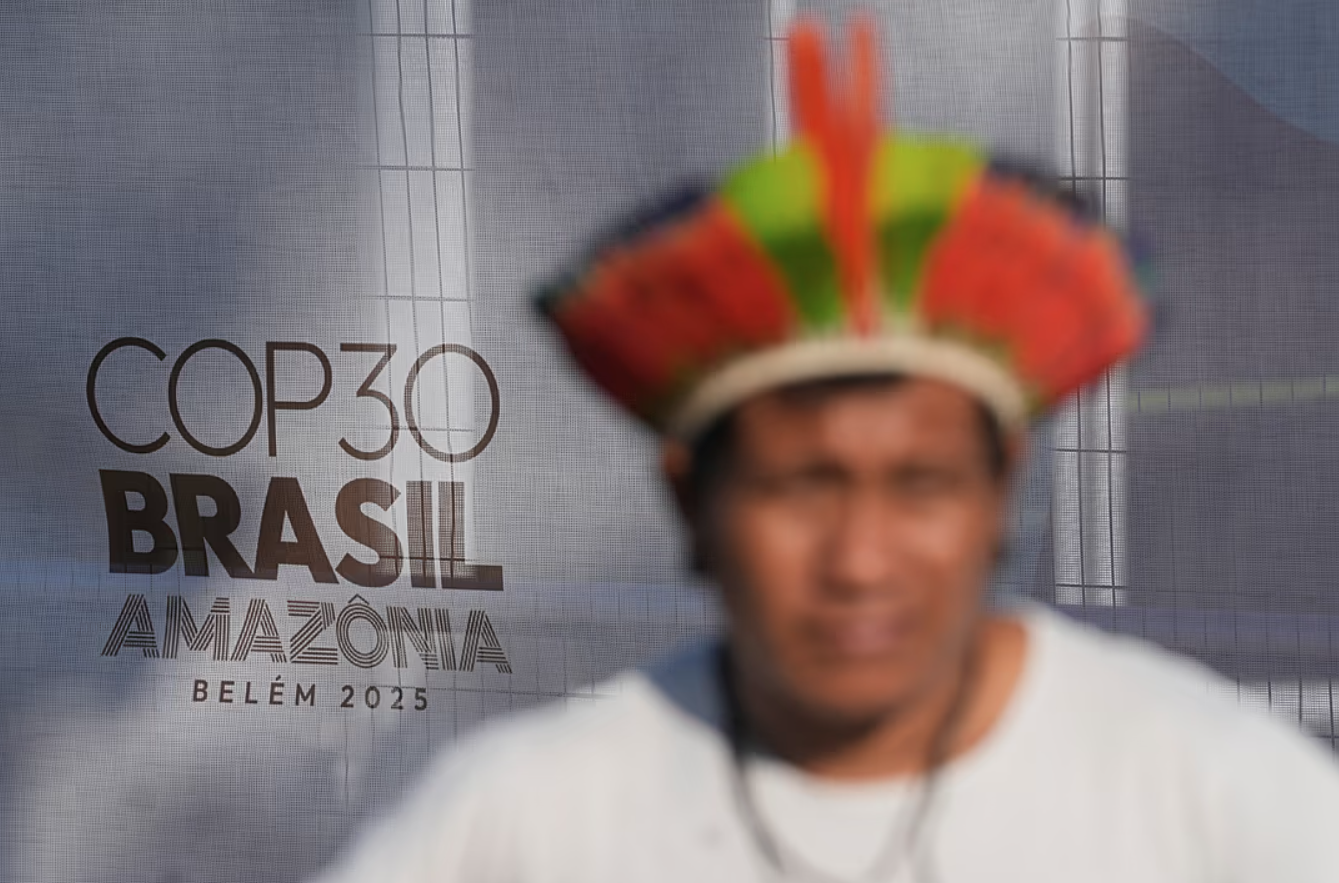
Roughly 1,000 Indigenous delegates will take part in official negotiations within the Blue Zone, while 2,000 will engage in the Green Zone, where civil society, youth groups, and NGOs gather. Brazil's Minister of Indigenous Peoples, Sônia Guajajara, emphasized that Indigenous territories are crucial to preserving ecosystems and balancing the global climate, calling for stronger inclusion in international policymaking.
At the heart of Brazil's agenda is the Tropical Forest Forever Facility (TFFF) — a $125 billion fund designed to protect standing tropical forests, with 20% of its resources dedicated to Indigenous peoples. Norway has already pledged $3 billion, marking the largest contribution so far.
The ‘Peoples' Circle Pavilion', led by Guajajara and Minister for Racial Equality Anielle Franco, serves as a hub for Indigenous and traditional communities to share their experiences in environmental protection. Alongside it, the National Foundation for Indigenous Peoples (FUNAI) has launched the Biodiversity Space for Indigenous producers and the Echoes of the Earth Film Festival to showcase Indigenous perspectives through cinema.
Ahead of COP30, Brazil introduced the ‘Kuntari Katu' training programme — meaning "one who speaks for the people" — to prepare Indigenous diplomats for climate negotiations and strengthen their representation at the summit.
Experts, including André Guimarães from the Amazon Environmental Research Institute (IPAM), stressed that Indigenous presence in the Green Zone influences official negotiations and reflects the link between environmental preservation and Indigenous stewardship.
In Brazil, Indigenous territories cover 13.8% of the country's land yet account for only 1.3% of national deforestation, underscoring their effectiveness in conservation. Since President Lula da Silva took office in 2023, 16 new Indigenous territories have been officially recognised — part of a broader effort to empower Indigenous communities as central actors in the global climate response.