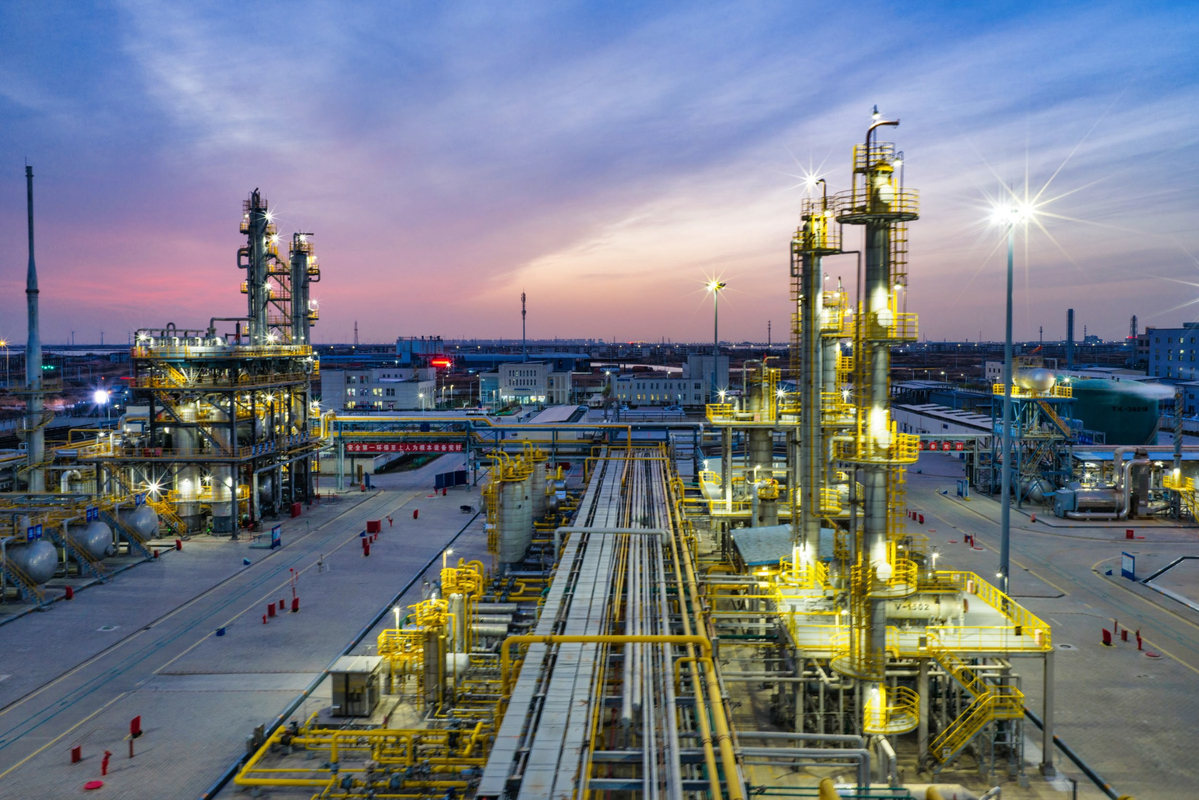
The test, carried out on Wednesday by China Oil and Gas Pipeline Network Corp, involved a 10-megapascal (MPa) pure hydrogen pipeline with a DN250mm vertical riser — the first of its kind in the country to undergo a full physical venting trial.
According to the company, the successful experiment represents a major technical advance in managing safety risks associated with transporting hydrogen at high pressure, particularly during maintenance, storage and emergency operations.
Laying the groundwork for large-scale hydrogen transport
Hydrogen plays a central role in China's long-term energy transition strategy, driven by its zero-carbon potential at the point of use and its ability to store and move large amounts of energy. While production of green hydrogen has expanded rapidly, long-distance transport remains one of the sector's biggest technical hurdles.
Dedicated hydrogen pipelines are widely viewed as the most efficient option for moving hydrogen across regions at scale — but safety concerns, particularly around controlled venting, have slowed deployment.
The latest test provides critical engineering data for both the construction of new hydrogen-only pipelines and the conversion of existing natural gas infrastructure to carry hydrogen, the company said.
Toward national hydrogen standards
Beyond its immediate technical implications, the trial is expected to support the development of China's own safety standards for hydrogen transport — an area where global benchmarks are still emerging.
Officials said the results would help strengthen China's hydrogen storage and transmission framework, while also supporting coordinated growth across the broader hydrogen supply chain, from production to end use.
As countries race to build the infrastructure needed for low-carbon energy systems, China's progress on hydrogen pipeline safety signals growing confidence in hydrogen's role as a backbone fuel of the future energy economy.