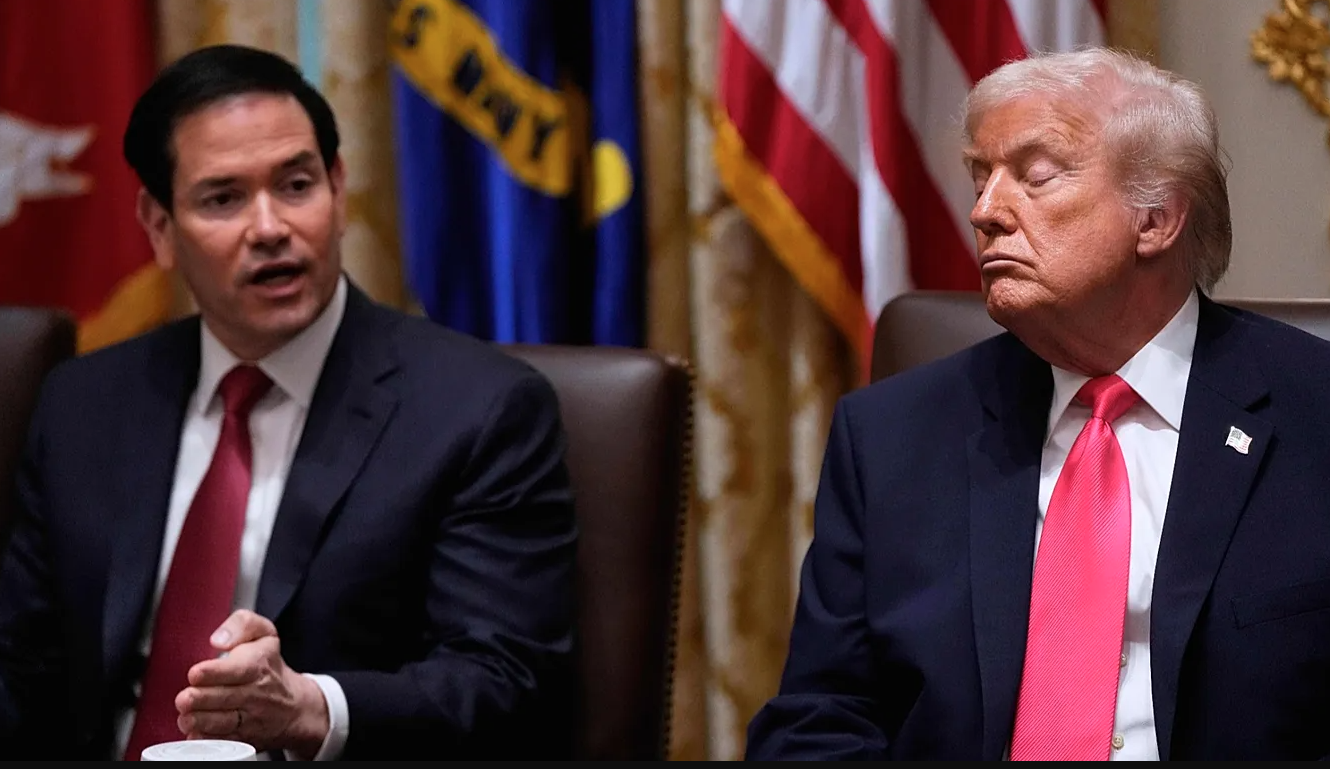
Announcing the decision, US Secretary of State Marco Rubio framed the withdrawal in explicitly political terms, arguing that international environmental institutions no longer serve US national interests. He said organisations originally created to foster cooperation had evolved into a system of global governance shaped by ideology rather than pragmatism.
At the centre of the decision is the United Nations Framework Convention on Climate Change (UNFCCC), established in 1992 and forming the legal backbone of the 2015 Paris Agreement. While the Paris deal itself is voluntary, it has become the cornerstone of international efforts to limit global warming.
The United States previously exited the Paris Agreement during Donald Trump's first term before rejoining under President Joe Biden. Washington also declined to participate in last year's global climate summit in Brazil, following repeated remarks by Trump dismissing climate change and renewable energy.
Although the withdrawal from the UN climate framework is largely symbolic, analysts say it reinforces a broader trend in which the world's largest economy is stepping back from multilateral climate engagement. Legal experts remain divided over how easily a future US administration could reverse the decision and re-enter the treaty system.
The administration has also pulled the United States out of the Intergovernmental Panel on Climate Change, a move with implications for global climate science and policy coordination. The panel's assessments have underpinned major policy initiatives, including the European Green Deal, which commits the EU to climate neutrality by mid-century and aligns with the Paris Agreement's 1.5°C target.
Shifting global dynamics
As the US retreats, other major economies appear to be consolidating their climate governance structures. China, in particular, has moved to strengthen corporate climate reporting requirements, signalling an intention to play a more prominent role in global climate leadership.
In December, China's Ministry of Finance introduced a new standard outlining how companies should disclose climate-related risks and opportunities, aiming to curb greenwashing and channel investment toward low-carbon activities.
European response
Reaction from Europe was swift and sharply critical. EU leaders and lawmakers emphasised that international climate institutions remain essential for coordinating efforts to curb global temperature rise and manage shared risks.
Teresa Ribera, Executive Vice President of the European Commission for a Clean, Just and Competitive Transition, accused the US administration of disregarding environmental and human costs. She said the decision signalled a rejection not only of climate cooperation, but of the broader legacy of US engagement in global governance.
European Commissioner for Climate Action Wopke Hoekstra described the withdrawal as regrettable, stressing that the EU would continue to support international climate research and cooperation while advancing its domestic climate agenda focused on competitiveness and strategic independence.
Lawmakers echoed those concerns. Catarina Vieira, a Dutch member of the European Parliament from the Greens, called the move reckless and warned that disengaging from science-based cooperation carries real economic and humanitarian consequences.
As extreme heat, wildfires and flooding intensify worldwide, she said, abandoning multilateral climate frameworks represents a political choice with long-term costs. While global climate efforts will continue, she added, the United States is opting to step aside rather than lead.