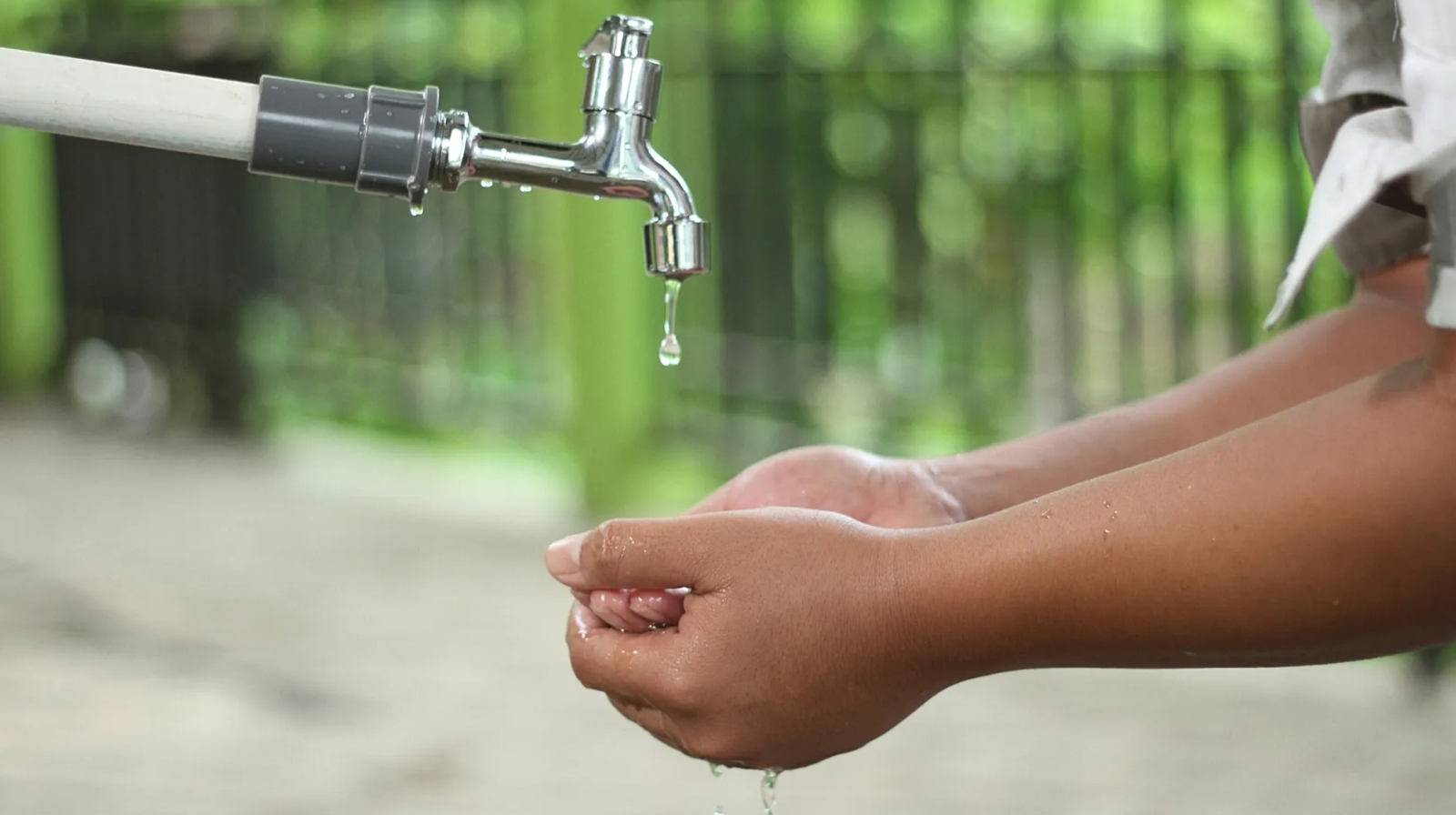
Experts warn that water waste is now "amplifying the climate crisis" by eroding economic resilience and increasing the continent's dependence on costly energy systems.
The report by Danfoss projects that the water sector's energy use will double by 2040, while the energy sector's water demand could jump by nearly 60 per cent. On a global scale, water demand could exceed supply by 40 per cent within five years, exacerbating shortages already affecting 3.6 billion people worldwide.
The Energy–Water Paradox
Energy and water are locked in a tight feedback loop. Every stage of the water cycle — extraction, treatment, delivery, and disposal — requires energy. Meanwhile, energy generation itself relies heavily on freshwater withdrawals, accounting for around 14 per cent of global usage.
"As the world's population grows, so does our thirst — and with it, our energy bill," said Kim Fausing, CEO of Danfoss. "In Europe, far too much treated water — and the energy that goes into it — is wasted through leaks and inefficiencies. This is both an economic and security issue."
When one system fails, the other suffers. Droughts and heatwaves disrupt electricity production, while energy shortages cripple water networks. Experts argue that Europe can no longer afford to treat them as separate challenges.
Economic Strain and Looming Costs
The cost of inaction could be staggering. Inefficiencies in managing water and energy could shave up to 8 per cent off GDP in wealthy nations and 10–15 per cent in lower-income economies by 2050.
Globally, water-related issues have already added $9.6 billion (€8.26 billion) in costs to the power sector. Within the EU, member states will need to invest €500 to €1,000 per person by 2030 just to comply with existing water laws.
Beyond financial losses, the crisis threatens public health, infrastructure, and geopolitical stability. Limited access to affordable water or energy risks deepening inequality and fuelling social unrest — particularly in countries dependent on imports or shared water sources.
Fixing the Flow: Technology and Policy
Solutions, experts stress, already exist. Smarter infrastructure and stricter efficiency standards could drastically reduce waste.
"We need ambitious regulation, measurable water-efficiency targets, and incentives for technologies like leak detection, smart metering, and pressure management," said Fausing. "Every drop saved means less energy wasted."
Retrofitting existing desalination plants to modern standards could save €34.5 billion and cut 111 million tonnes of CO₂, according to Danfoss. Meanwhile, wastewater treatment facilities using variable speed drives — allowing pumps and motors to adjust to demand — can slash energy use by around 20 per cent.
A treatment plant in Chennai, India, for instance, reduced its energy consumption by 22 per cent through such upgrades.
The Data Centre Dilemma
Europe's digital expansion is also fuelling the crisis. Data centres now consume 560 billion litres of water annually, a figure set to double to 1.2 trillion litres by 2030, six times the EU's total freshwater abstraction in 2022.
Most of this is used for cooling servers, which generate immense heat. Liquid cooling — especially direct-to-chip systems — offers a potential fix, improving energy efficiency by at least 15 per cent while using less water.
Waste heat from data centres could also be repurposed. The International Energy Agency (IEA) estimates it could meet 10 per cent of Europe's heating demand by 2030.
"While many data centres are located too far from cities to reuse waste heat effectively, those within a few kilometres could help meet up to 300 TWh of local heating needs," the Danfoss report notes.
A Call for Integration
Analysts say Europe's next major challenge is not just conservation, but integration — treating water, energy, and digital infrastructure as interconnected systems.
Failing to do so risks entrenching waste, deepening economic vulnerabilities, and widening the climate gap.
"The path forward is clear," Fausing concluded. "We must see energy and water as two sides of the same coin — and stop wasting both."