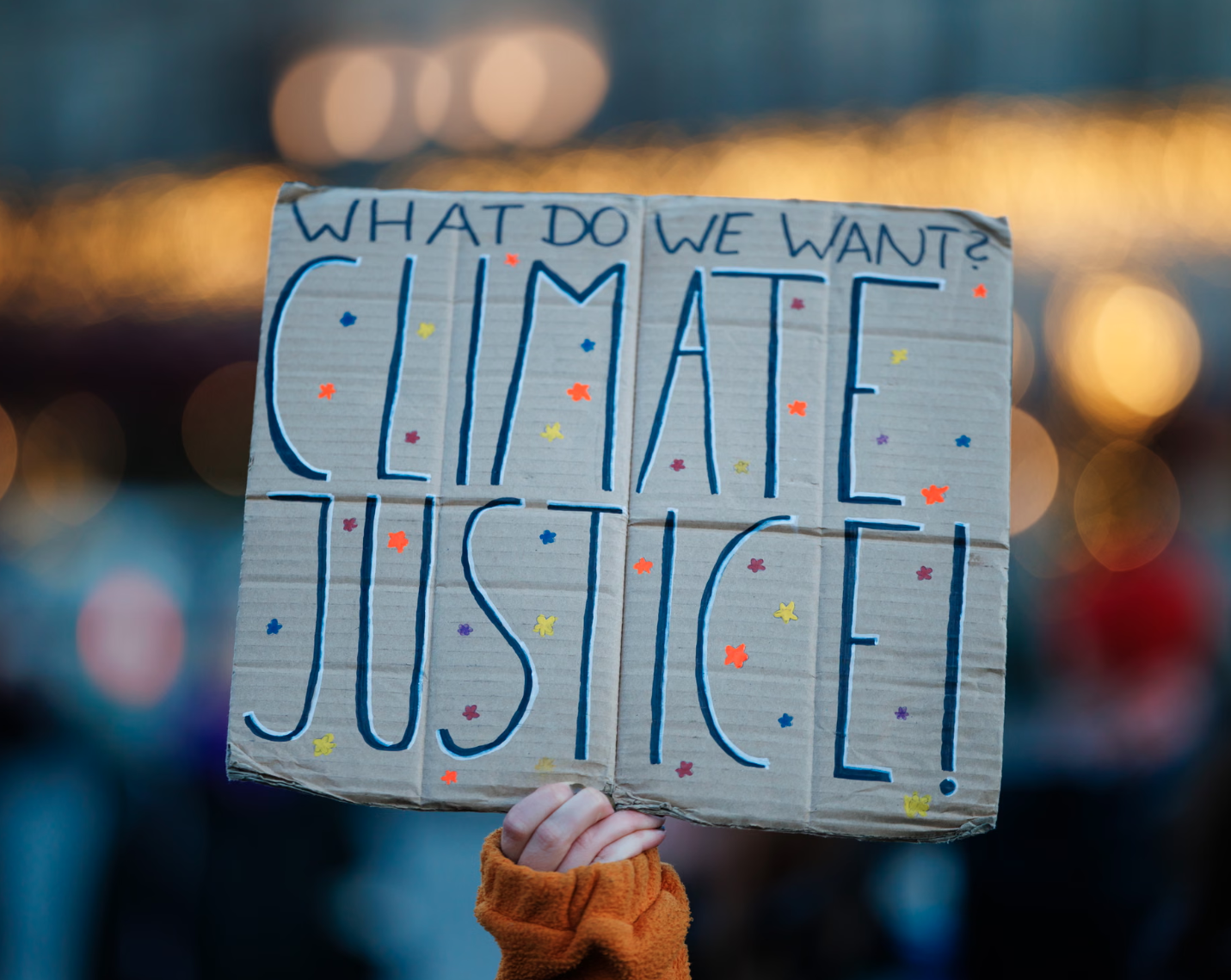
That shift began with early cases such as the Urgenda ruling in the Netherlands, upheld in 2019, which helped trigger a global wave of climate litigation. Ten years on, legal action has become a central force in shaping climate policy, corporate conduct and government accountability.
Over the past year alone, courts across multiple jurisdictions delivered rulings that halted fossil fuel projects, exposed greenwashing and expanded the legal boundaries of climate responsibility.
North Sea oil approvals overturned
The year opened with a major setback for fossil fuel development in the UK. Approvals granted for the Rosebank and Jackdaw oil and gas fields in the North Sea were ruled unlawful after judges found that regulators had failed to consider emissions generated when the extracted fuels are ultimately burned.
The decision built on a 2024 supreme court judgment that clarified the need to assess so-called downstream emissions. That earlier ruling also led to planning permission being revoked for a proposed coal mine in northern England, prompting the developer to abandon the project altogether.
While new government guidance on emissions assessments was issued mid-year, the ruling stopped short of banning future fossil fuel approvals outright. Revised environmental submissions were later filed, and further legal challenges remain likely.
Brazil's largest coal project abandoned
In southern Brazil, years of legal pressure from civil society groups culminated in the cancellation of what would have been the country's largest coal power plant.
Campaigners argued that the proposed mine and power station violated national climate commitments and had been granted licences through flawed procedures. A court suspended the approvals in 2022, outlining conditions for reassessment. By early 2025, the developer formally withdrew the project, citing financial and regulatory obstacles.
German ruling advances climate liability claims
A long-running case brought by a Peruvian farmer against German energy company RWE was dismissed in 2025, but the outcome still marked a turning point.
The claimant had sought partial compensation for flood protection costs linked to glacial melt, proportionate to the company's contribution to global emissions. While the court rejected the claim, it affirmed in principle that major emitters could be held liable for climate-related damage.
The ruling quickly reverberated. Later in the year, Pakistani farmers affected by devastating floods launched new legal action against two of Germany's largest polluters, signalling a new phase of transnational climate damage claims.
Energy company concedes on carbon offsets
In Australia, a landmark greenwashing case ended in settlement when a major utility acknowledged that its "carbon neutral" energy products were misleading.
A group of parents argued that the company's reliance on carbon offsets did not represent genuine emissions reductions. Under the settlement, the firm accepted that offsets cannot undo climate damage and issued an apology to hundreds of thousands of customers.
It marked the country's first successful legal challenge to corporate claims of carbon neutrality.
International courts strengthen climate law
Two international judicial bodies issued influential advisory opinions in mid-2025, reinforcing the legal foundations of climate action.
The Inter-American Court of Human Rights recognised access to a healthy climate as a human right, while the International Court of Justice stated that countries have a duty to prevent harm to the climate system and may face compensation claims if they fail to do so.
Though non-binding, both opinions have already been cited in climate lawsuits worldwide and are reshaping legal arguments over state responsibility.
Australian coalmine expansion struck down
In July, approval for the largest coal mine expansion in New South Wales was annulled after judges ruled that regulators failed to assess the project's full climate impact.
The case hinged on "scope 3" emissions — those produced when exported coal is burned overseas. The court found that excluding these emissions from planning decisions was unlawful, dealing a blow to future coal developments.
Tech giant retreats from carbon neutrality claims
A German court ruled in August that Apple could not market its smartwatch as "carbon neutral", after finding the claim relied on short-term forestry offsets that did not guarantee lasting emissions reductions.
The decision followed a complaint from environmental groups and coincided with the company quietly dropping similar marketing language in other countries. Parallel legal challenges remain active in the United States.
Law reshapes the climate battleground
Taken together, these cases reflect a growing legal reckoning with climate change. Courts are increasingly scrutinising emissions accounting, corporate claims and government approvals, forcing climate impacts into decisions once dominated by economics and energy security.
A decade after climate litigation first gained momentum, 2025 showed that the courtroom has become one of the most powerful arenas for confronting the climate crisis — often succeeding where politics has stalled.