On 12 February, the Environmental Protection Agency (EPA) will finalise a rule rescinding the 2009 "endangerment finding" — a decision made during the Obama administration that concluded greenhouse gases such as carbon dioxide pose a threat to public health and welfare.
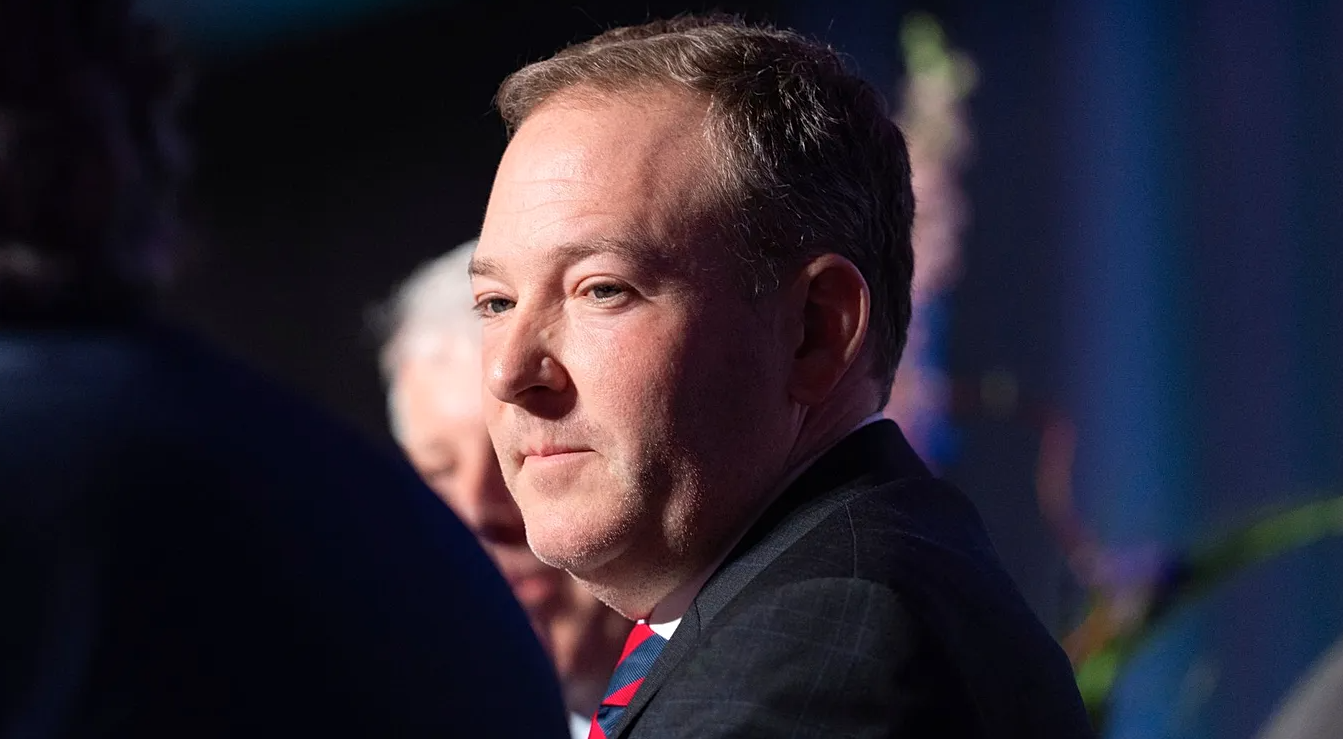
The White House confirmed that President Donald Trump and EPA Administrator Lee Zeldin will formally announce the repeal at a ceremony in Washington. Press secretary Karoline Leavitt described the step as the most significant deregulatory action in US history, arguing it would eliminate what she called burdensome rules and deliver substantial cost savings.
According to the administration, rolling back the finding could save Americans an estimated $1.3 trillion in regulatory costs. Officials say a large portion of those savings would come from easing vehicle emissions standards, with the EPA projecting that buyers of new light-duty vehicles — including cars, SUVs and pickup trucks — could save more than $2,400 per vehicle.
The 2009 determination has served as the foundation for nearly all federal limits on greenhouse gas emissions under the Clean Air Act. It underpins regulations targeting pollution from cars, power plants and industrial facilities, and provides the legal justification for measures designed to curb climate-warming emissions linked to increasingly severe floods, heatwaves, wildfires and storms.
Environmental organisations have vowed to challenge the decision in court, calling it an unprecedented rollback of federal climate protections.
Abigail Dillen, president of the environmental law group Earthjustice, said the administration was abandoning its responsibility to protect Americans from worsening climate impacts. "The law, the science and the lived reality of climate disasters all point in the opposite direction," she said, adding that legal action would follow swiftly.
EPA spokesperson Brigit Hirsch defended the move, describing the 2009 ruling as deeply harmful and arguing that its repeal would represent a historic correction benefiting the public.
President Trump has repeatedly questioned the scientific consensus on climate change and previously directed the EPA to review the legal basis of the endangerment finding. Conservative lawmakers and industry groups have long criticised the ruling, saying it enabled sweeping regulations they consider economically damaging.
Lee Zeldin, a former Republican congressman appointed to lead the EPA, has argued that the finding allowed Democratic administrations to impose extensive environmental rules across multiple sectors of the economy. Announcing the proposed repeal last year, he said the policy had been used to justify regulations that imposed high costs on businesses and consumers.
Critics counter that dismantling the finding would increase pollution and undermine public health protections. Peter Zalzal of the Environmental Defense Fund said rescinding the rule would lead to higher long-term health costs, increased fuel consumption and preventable deaths linked to air pollution and climate-related impacts.
He and other advocates argue that the administration is focusing narrowly on industry compliance costs while ignoring the economic and societal benefits of climate regulation, including reduced healthcare expenses and avoided environmental damage.
The legal stakes are high. In 2007, the US Supreme Court ruled in Massachusetts v. EPA that greenhouse gases qualify as air pollutants under the Clean Air Act, establishing the legal pathway for federal climate regulation. Subsequent court decisions have consistently upheld the endangerment finding, including a 2023 ruling by the US Court of Appeals for the District of Columbia Circuit.
Following the EPA's proposal to repeal the finding, the National Academies of Sciences, Engineering and Medicine reviewed the scientific evidence supporting the original determination. In a report released in September, the panel concluded that the 2009 assessment remains scientifically sound and is now backed by even stronger evidence.
The report stated that uncertainties present more than a decade ago have largely been resolved and that the evidence linking human-caused greenhouse gas emissions to harm to public health and welfare is unequivocal.
With the rule's rescission imminent, legal experts expect a protracted courtroom battle that could once again place US climate policy before the nation's highest courts.