If future COP presidencies want to deliver agreements that translate into real-world action, they will need to rethink their role. Managing climate negotiations as a purely technical exercise is no longer sufficient. Without an approach grounded in today's geopolitical realities, climate diplomacy risks becoming an exercise in rhetoric rather than implementation.
A summit that promised implementation, but delivered little
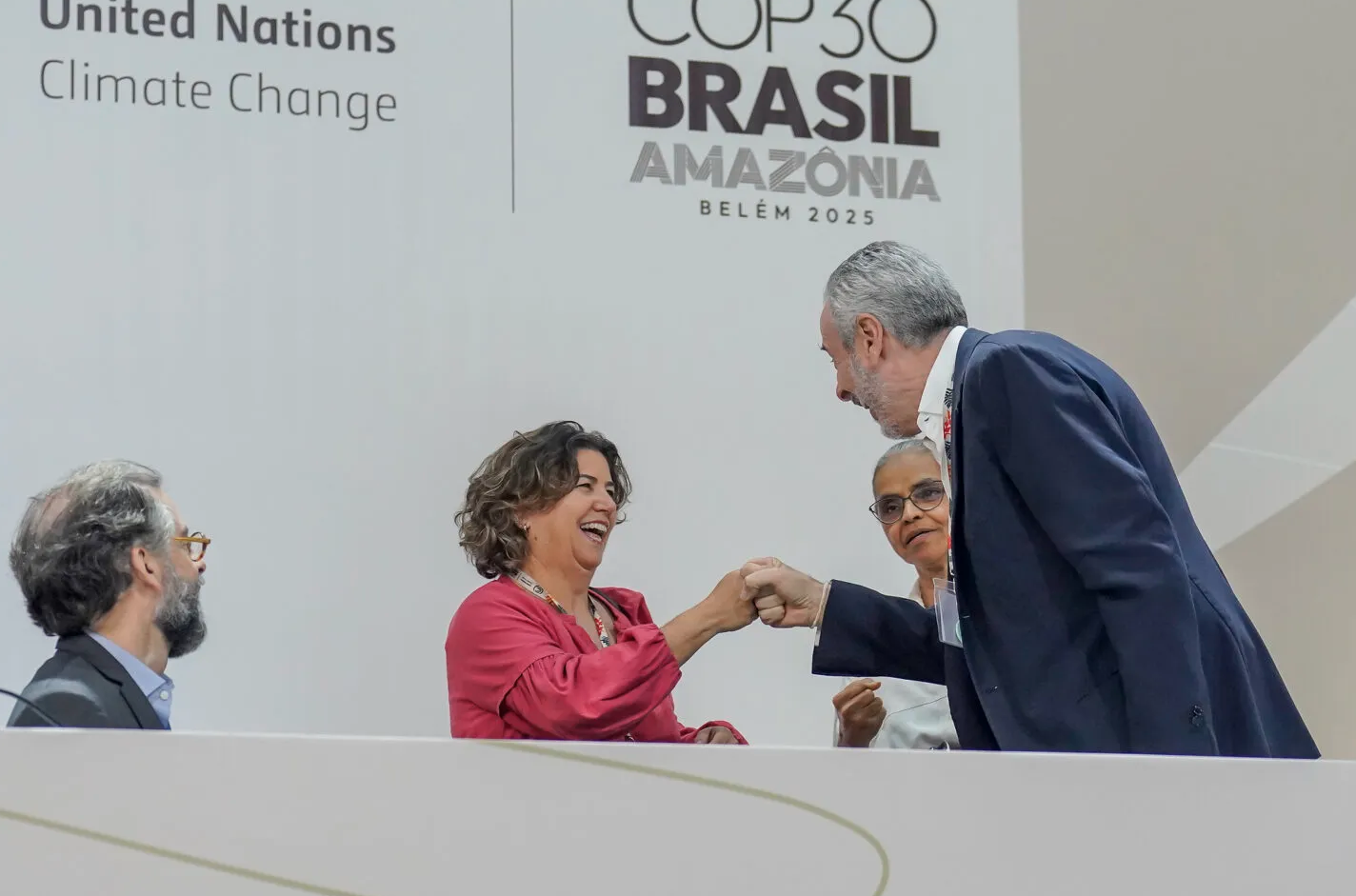
Brazil framed its COP30 presidency around three ambitions: shifting the focus from pledges to delivery, using the Amazon setting to unite actors, and broadening participation to unlock progress. None of these goals materialised in a meaningful way.
The conference concluded without a clear roadmap for phasing out fossil fuels, offered only cursory references to deforestation, and left confidence in the negotiating process weaker than before. Hosting the summit in Belém, in a country with some of the world's highest deforestation rates, underscored the gap between symbolism and substance.
Some of these shortcomings reflected strategic misjudgements by the presidency, including the decision to sideline politically sensitive issues such as unilateral trade measures into separate tracks and to limit space for frank political dialogue. But deeper structural forces were also at play.
Ongoing conflicts in Ukraine and the Middle East, mounting debt pressures across the developing world, and stalled efforts to reform global taxation and regulate shipping emissions have all strained multilateral cooperation. Climate negotiations are no longer insulated from these tensions.
How geopolitics is reshaping climate diplomacy
The influence of geopolitics on climate talks has been growing for several years, but it became impossible to ignore this time. Three shifts stood out.
Feasibility is no longer the constraint. The scientific and economic case for rapid decarbonisation is stronger than ever. The Intergovernmental Panel on Climate Change has clearly mapped pathways to limit warming, while the cost of wind and solar power has fallen dramatically over the past decade. Each year of delay now carries measurable economic and environmental costs.
Yet inside negotiating rooms, countries increasingly weighed climate commitments against trade exposure, fiscal pressures, energy security and electoral politics. Positions were calibrated not only around emissions targets, but around relations with key partners and domestic political risks.
Narrative power has reached its limits. Storytelling has played a critical role in past breakthroughs, from shared purpose at Paris to justice-driven momentum on loss and damage. COP30 featured some of the most compelling imagery and rhetoric seen at any summit, from appeals to protect the Amazon as a global commons to strong moral interventions from religious and indigenous leaders. None of it was enough to overcome entrenched divisions on fossil fuels, finance or forests.
Emerging powers are reshaping the system. Countries such as China, India, Brazil and major Gulf states are no longer operating at the margins of a Western-designed framework. They are actively redesigning climate governance to reflect their strategic interests, pushing back against prescriptive language and resisting the conflation of climate policy with trade measures. As long as major players remain absent or disengaged, these fault lines are likely to deepen.
What future COP presidencies can do differently
Traditionally, COP presidencies have acted as conveners, focusing on drafting compromise text within an established multilateral framework. That role is no longer enough. Success now requires orchestration: managing political dependencies, sequencing negotiations and brokering alignment between rival blocs.
Several practical options are available to upcoming hosts.
Build trust well before the summit. The Paris Agreement succeeded in part because political engagement began early and expectations were carefully managed. Presidencies should work with ministers throughout the year — or longer — to narrow gaps quietly and ensure commitments are credible. At the latest summit, dozens of new national climate plans were still missing, including from some of the world's largest emitters.
Engage power blocs directly. Presidencies can play a more active role in bridging divides. With China, this may mean prioritising implementation — such as clean manufacturing and grid deployment — rather than revisiting headline targets. With large developing-country groupings, progress will depend on concrete packages linking mitigation to finance, technology access and realistic transition timelines. With progressive coalitions like the Beyond Oil and Gas Alliance and Alliance of Small Island States, leadership must be translated into tangible economic signals.
Use informal diplomacy, but sparingly. Closed-door political consultations can help break deadlocks, but overuse risks undermining transparency and trust. Future presidencies should design informal processes that are clearly linked to formal negotiations, inclusive of diverse blocs and accountable to the wider process — lessons drawn from practices in forums such as the World Trade Organization and the Group of 77.
Accept a post-consensus reality. The assumption that nearly 200 countries can agree on a single high-ambition pathway is increasingly unrealistic. Progress will depend more on coalitions of the willing and targeted plurilateral agreements. COP presidencies should be prepared to prioritise narrower, stronger outcomes over broader but weaker consensus.
From text to power
The core challenge facing climate diplomacy is no longer a lack of solutions or knowledge. It is the alignment of interests, institutions and power required to act.
Future COPs will succeed only if their leaders recognise that geopolitics is not an external obstacle to climate action, but its starting point. Until negotiations are designed around political reality rather than technical idealism, implementation will remain elusive — and ambition will continue to outpace action.